Berlin with toddlers — what actually works
Berlin is a better city for toddlers than most people expect. It’s spacious, it has excellent parks, it’s pushchair-friendly in a way that older European cities are not, and it has genuine attractions that work for under-fours rather than being awkwardly shoehorned in.
The broader guide to Berlin with kids covers children of all ages. This post focuses specifically on the toddler years — what works, what doesn’t, and what to realistically expect from a trip to Berlin with a one-, two- or three-year-old.
| Best base | Prenzlauer Berg or Mitte, both pushchair-friendly |
| Top toddler attraction | Berlin Zoo, around €19 adult / free under-4 |
| Best free option | Tiergarten playgrounds |
| Getting around | Trams (east Berlin) are most pushchair-friendly; check lift availability on older U-Bahn stations |
| Toddler-friendly eating | Imbiss stands and Biergartens, no reservation stress |
The transport reality for pushchairs
Start here because it matters before anything else. Berlin’s transport system is extensive, mostly accessible, but not uniformly so.
The good news: most S-Bahn and U-Bahn stations have lifts (Aufzüge). These are signed with a blue lift symbol on the system map. Some older stations in central Berlin do not have lifts — notably some on the historic U1 and U3 viaduct routes through Kreuzberg. Check before you go if you’re relying on a pushchair.
The better news: Berlin trams (mainly in east Berlin: Mitte, Prenzlauer Berg, Friedrichshain) have level boarding and are extremely pushchair-friendly. If you’re basing yourself in the east, the tram is your best friend.
Bus travel with a pushchair is generally fine. You board at the front, show your ticket, and fold the pushchair if the buggy area is full. Night buses run when the U-Bahn stops.
Practicals: a compact travel pushchair is easier than a large pram on public transport. Carry a baby carrier as backup. Don’t plan to walk everywhere with a toddler — the city is large and distances between attractions are real.
The Tiergarten — underrated for small children
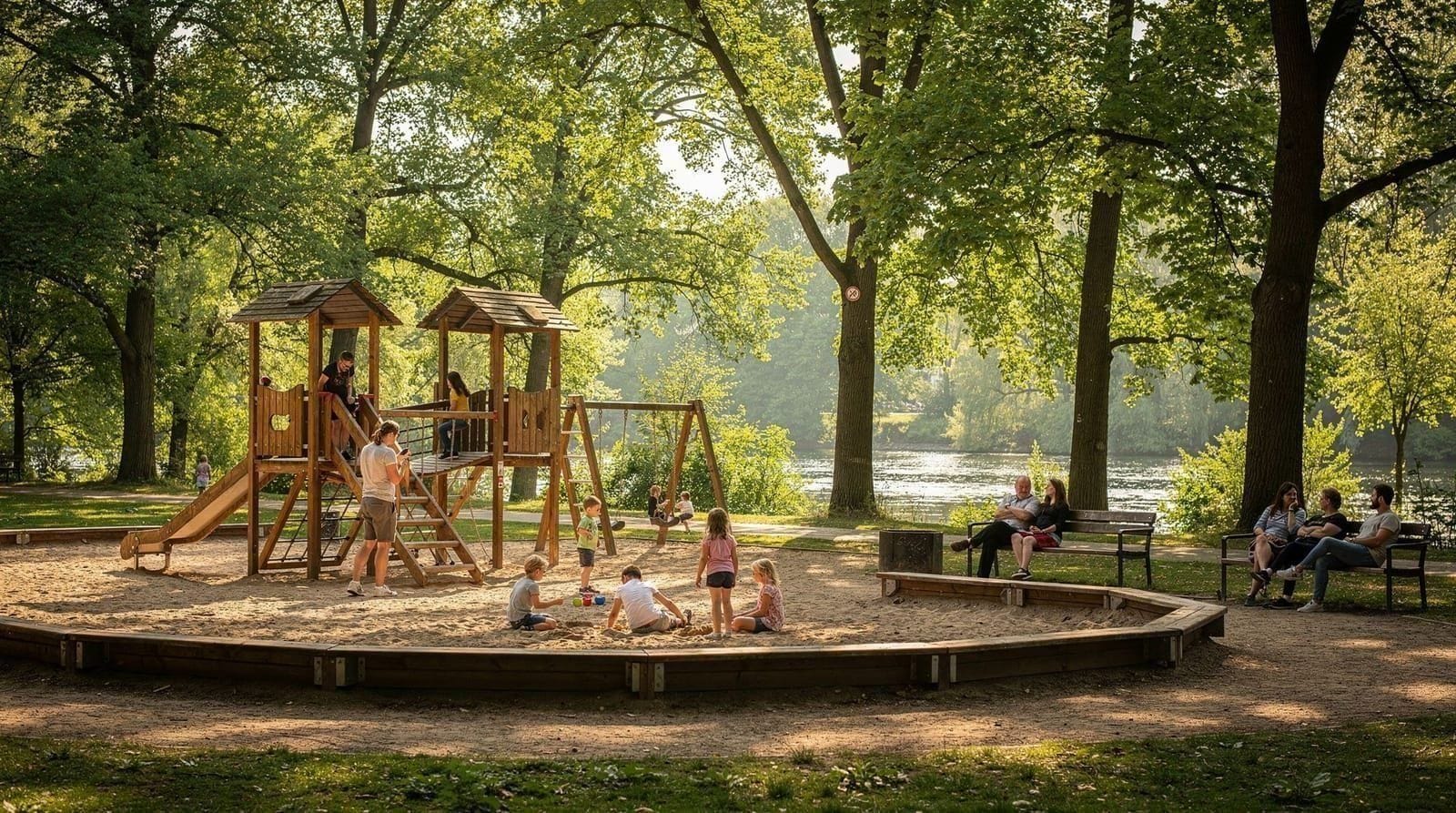
The Tiergarten is a 200-hectare park in the centre of Berlin, and for toddlers it is one of the best free resources in the city. There are multiple playgrounds scattered through the park, paths wide enough for pushchairs and cyclists, and enough space that a meltdown can happen without an audience.
The park’s central position makes it easy to combine with nearby attractions (Reichstag, Brandenburg Gate, Berlin Zoo) without crossing the city. There are cafés and Biergartens in the park with outdoor seating.
The Tiergarten family guide has playground locations and advice on the best areas for young children.
Berlin Zoo — the best toddler attraction
The Zoologischer Garten in western Berlin is genuinely excellent for toddlers. The zoo is large (around 35 hectares, roughly 20,000 animals), well-maintained, and has a layout that works for children who want to see things and then immediately want to see something else.
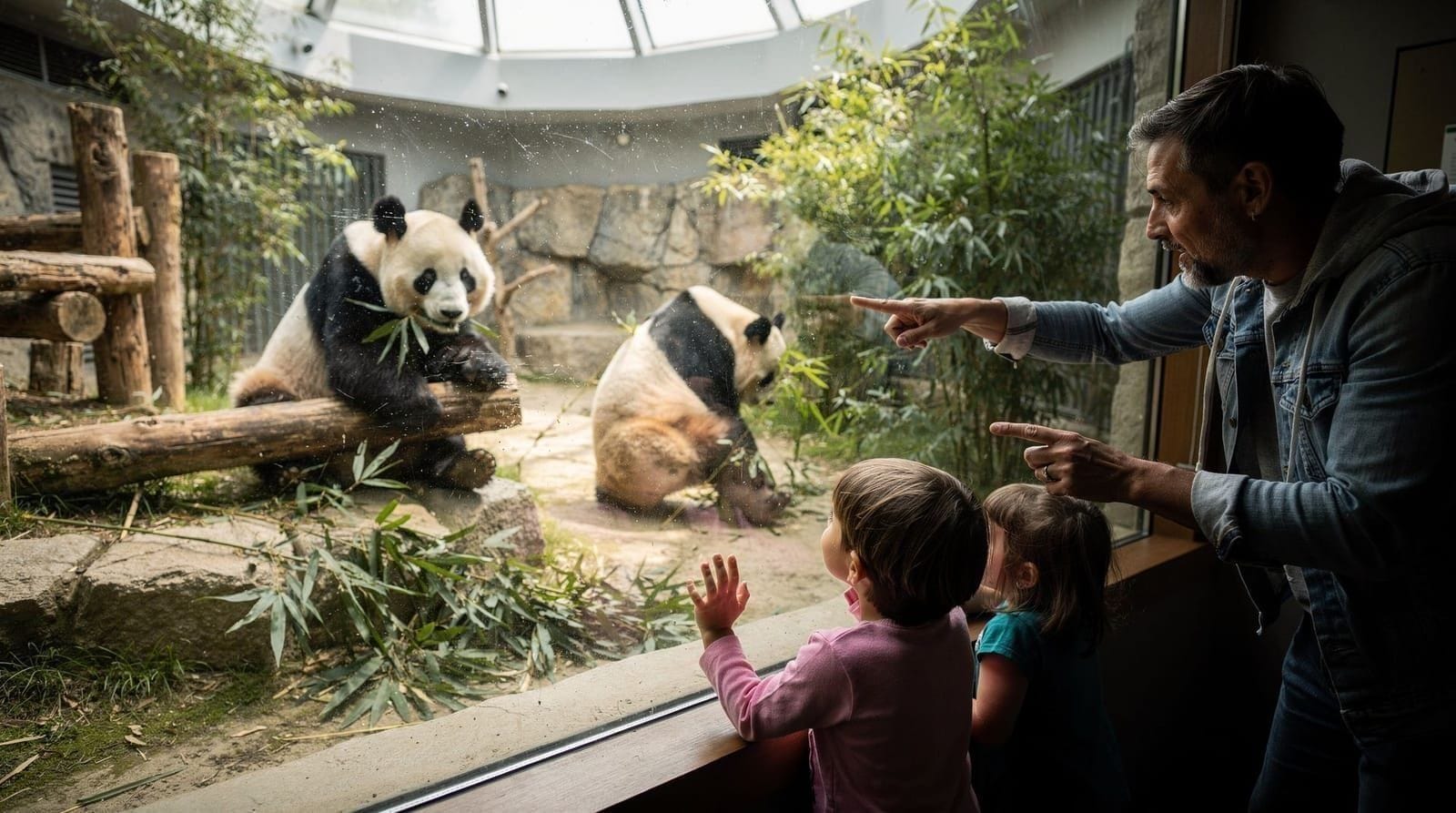
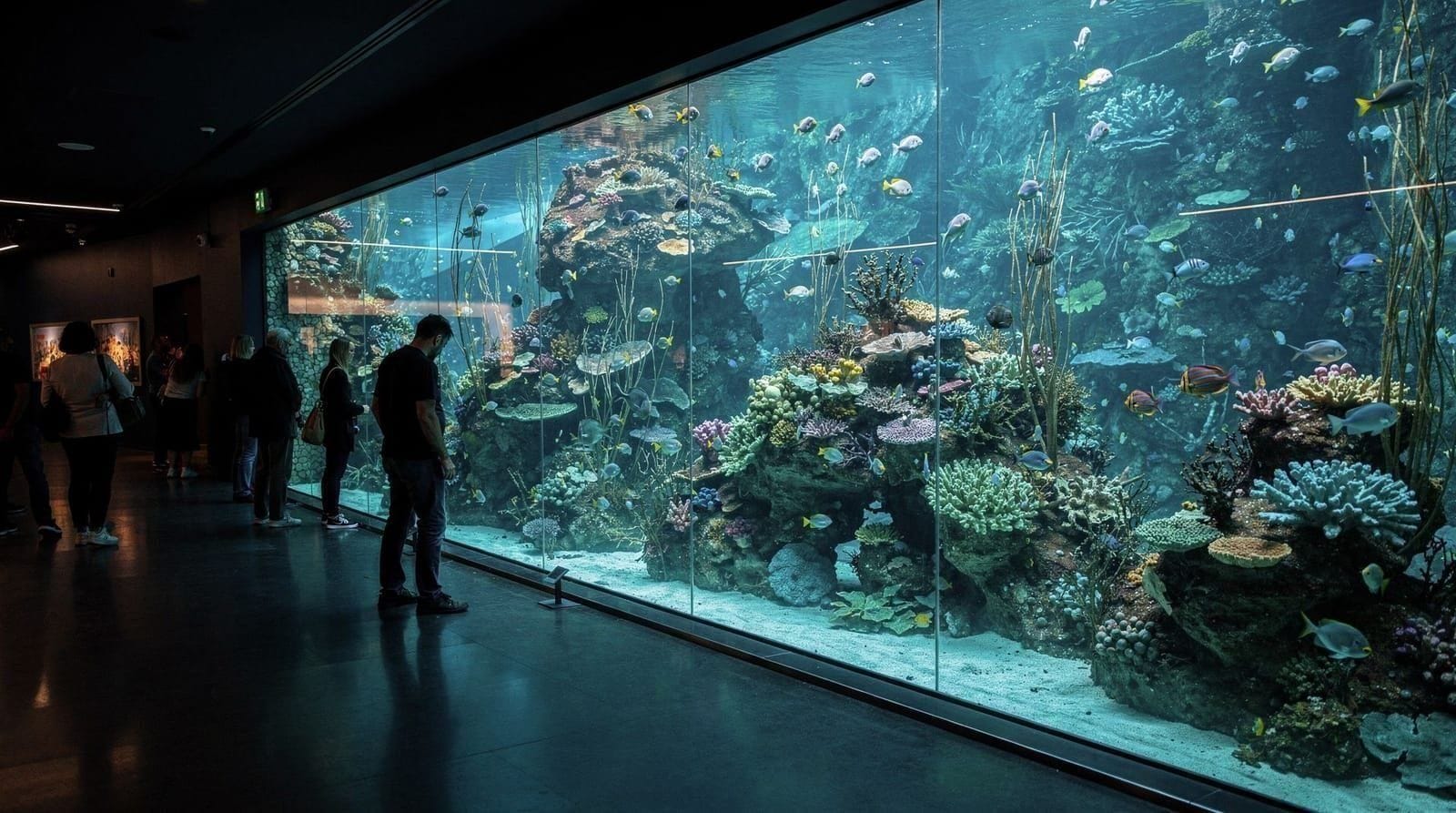
Highlights that work particularly well for under-fours: the giant panda enclosure (if they’re active), the petting zoo area (Streichelgehege) where children can touch animals, the aquarium section, and the elephant house.
Practical notes: Zoo entry in 2026 is approximately €19 per adult, €9.50 for children aged 4-15, free for under-4s. A combined zoo and aquarium ticket is available and worth it if you have the energy. The zoo has multiple toilets with baby changing facilities and food stalls throughout.
The Berlin Zoo guide has a full layout overview and tips on the best time to arrive.
Berlin SEA LIFE, Madame Tussauds and LEGOLAND combo ticketLegoland Discovery Centre
For toddlers aged 2-4, the Legoland Discovery Centre in the Potsdamer Platz Arkaden mall is more appropriate than you might think. It’s smaller than a full Legoland theme park — this is an indoor attraction — with Duplo building areas for younger children, a soft play zone, and rides that toddlers can access.
It’s not cheap (approximately €17-21 per person for adults and children over a certain age, under-2s typically free). Book online in advance as it sells out on weekends.
The Natural History Museum
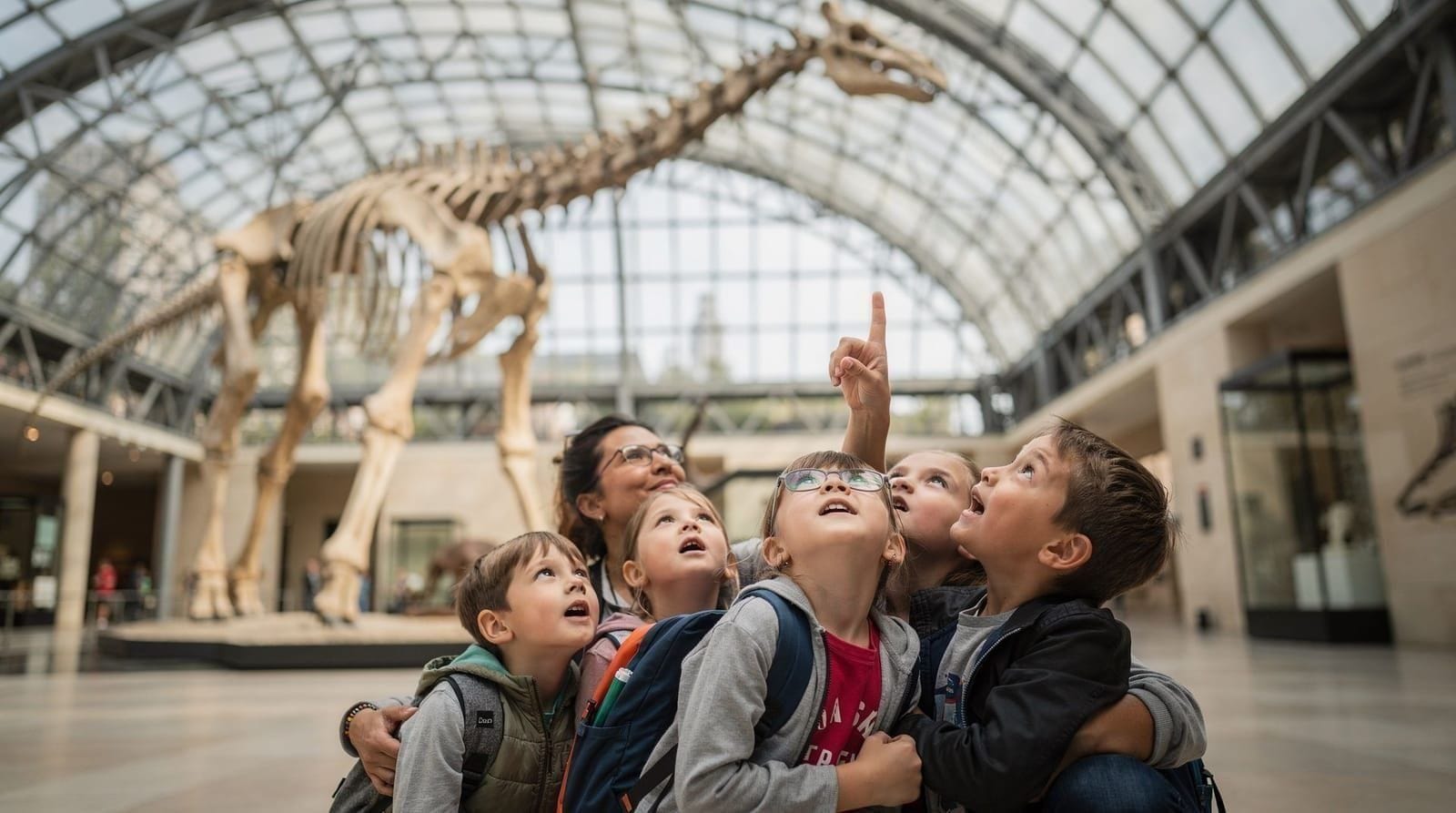
The Museum für Naturkunde (Natural History Museum) in Mitte is excellent for children around 2.5 years and older — but even younger toddlers respond well to the large dinosaur skeletons in the main hall.
The entrance hall has a Brachiosaurus skeleton that is 13.27 metres tall, the tallest mounted dinosaur skeleton in the world. You don’t need to say anything. Toddlers stop and look.
Beyond the dinosaurs, there are taxidermy displays, geological exhibits, and a wet collection that older children find both fascinating and alarming. Entry is approximately €11 per adult, children under 6 free.
The Natural History Museum Berlin guide has a floor plan and recommended route for family visits.
Parks with playgrounds — the practical list
Berlin has excellent playgrounds. The ones most visited by families with young children:
Monbijoupark (Mitte): Small park on the Spree with a good playground, close to Museum Island. Cafés nearby.
Tempodrom area playgrounds near the Tiergarten: Multiple play structures, open space.
Mauerpark (Prenzlauer Berg): The large park around the flea market has a good playground area. Sunday market is fun for toddlers despite the crowds.
Volkspark Friedrichshain: Large park with a fairy-tale fountain and multiple playgrounds. Good for a full morning.
Grunewald forest: Takes effort to reach but has space, fresh air, and a lake for paddling in summer. Better for children who can walk than for pushchair trips.
Eating out with a toddler in Berlin
Berlin is relatively toddler-tolerant compared to many European cities. High chairs (Kinderstuhl or Hochstuhl) are common in restaurants and cafés. Children’s menus exist but aren’t universal.
The most toddler-friendly eating options:
- Imbiss (street food stands): Quick, cheap, no waiting for a table. Currywurst, chips, and hot dogs are toddler-compatible. Pointedly not trying to impress adults, which takes pressure off.
- Biergarten: Outdoor seating, self-service food, space for toddlers to move around. The Schlosskeller im Tiergarten and Prater Biergarten in Prenzlauer Berg are classics.
- Markthalle Neun (Kreuzberg): Indoor market hall with varied food stalls. Good on Thursday evenings for Street Food Thursday, though it gets very crowded.
Toddler schedule tip: eat early (before 12:30pm or before 6pm) to avoid the peak restaurant queues. Many places in Berlin don’t take reservations for small groups anyway.
Nap logistics in Berlin
This is a real consideration nobody talks about enough. Berlin is a large city and attractions are spread out. A toddler who naps will spend that time in a pushchair or carrier, which limits your activity range but doesn’t have to stop the day.
Build nap time into your morning with a pushchair walk or a long transit journey. The S-Bahn is good for this — toddlers often sleep on trains. Then use the alert-after-nap window for the main attraction of the afternoon.
Avoid planning anything requiring focused attention (museums with fragile exhibits, indoor attractions) during the pre-nap grumpy window.
What to skip with a toddler
Honest list of Berlin attractions that don’t work well for under-fours:
- Pergamonmuseum: Partially closed until 2027 anyway, but the format (large archaeological objects, fragile displays) doesn’t work with toddlers even at the best of times
- Most art galleries: The DDR Museum works reasonably well because it’s interactive, but most of Museum Island is stress-generating with a toddler
- The TV Tower: A worthwhile experience for older children, but the lift, the queue, and the small circular observation deck are not designed for toddlers
- Checkpoint Charlie: Primarily photographic/historical, nothing for toddlers to engage with
- Most night activities: Goes without saying but toddler sleep schedules make Berlin’s famous nightlife impractical. A sunset boat tour on the Spree can work if nap timing allows.
The Spree boat tour — a toddler highlight
A river cruise on the Spree is one of the genuinely toddler-friendly sightseeing options in Berlin. You sit down, you move without effort, toddlers like the water and the bridges, and the commentary is mostly at adult eye level so you can ignore it when managing a child.
Most Spree cruises run 1 hour, which is about the right length for toddler attention spans. The boats typically have indoor and outdoor seating.
Berlin family boat trip on the SpreePractical kit for Berlin with a toddler
- Rain gear: Berlin weather is unpredictable. A waterproof layer for the pushchair and rain jackets for adults are essential.
- Snacks: Berlin’s supermarkets (Rewe, Edeka, Aldi, Lidl) are accessible and cheap. Stock up each morning.
- Baby food: Supermarkets stock a reasonable range of jarred baby food. Organic options (Hipp, Freche Freunde) are widely available.
- Nappies: Available everywhere — Pampers, Huggies, store brands. No need to bring large quantities.
- Health insurance: Make sure your EHIC (EU) or travel insurance covers paediatric medical care. Pharmacies (Apotheke, signed with a green A) are numerous and can advise on minor ailments.
Attractions compared for toddlers
| Attraction | Cost | Best for | Time needed |
|---|---|---|---|
| Berlin Zoo | ~€19 adult, free under-4 | Any toddler, especially the petting zoo | Half a day |
| Tiergarten playgrounds | Free | Meltdown-proofing, open space | 1–2 hours |
| Legoland Discovery Centre | ~€17–21 | Rainy days, ages 2–4 | 2–3 hours |
| Natural History Museum | ~€11 adult, under-6 free | Dinosaur-obsessed toddlers | 1.5–2 hours |
| Spree boat tour | Varies by operator | A calm, low-effort afternoon | 1 hour |
Rainy-day options beyond Legoland
Berlin’s weather is unpredictable enough that a backup indoor plan matters. Beyond the Legoland Discovery Centre and the Natural History Museum, the DDR Museum in Mitte works well for toddlers because it’s interactive rather than glass-case exhibits — there are buttons to press and a real Trabant car to sit in. The Berlin with kids guide covers indoor options for the full age range, useful if you’re travelling with both a toddler and an older sibling and need something that works for both.
Accommodation considerations
Berlin has apartment rentals that work much better than hotel rooms for toddler families: kitchen access for preparing food, space to spread out, and washing machine access. Neighbourhoods like Prenzlauer Berg (excellent for families, many independent cafés with toys, very pushchair-friendly streets) and Mitte (central, easy access to the main parks) both work well.
For a neighbourhood overview with family considerations, the Berlin neighborhoods guide includes pushchair-friendly ratings and proximity to parks.
FAQ
Q: What age is best for Berlin with toddlers? Two to three years old is generally a sweet spot — old enough to engage with animals, parks, and dinosaurs; young enough to still travel free on most transport and eat from your plate.
Q: Is Berlin pushchair-friendly? Mostly yes. The main parks, S-Bahn, and tram network are good. Older U-Bahn stations without lifts and cobblestone areas in historic districts are less good. A compact travel pushchair with good suspension handles Berlin well.
Q: Are Berlin museums free for toddlers? Under-6s enter free or at reduced rate at most Berlin museums. Always check the specific museum — policy varies.
Q: How do I handle toddler jetlag in Berlin? If arriving from the US, the time difference (6-8 hours) can cause early waking for the first few days. Plan gentle, outdoor mornings and use the early waking productively — Berlin’s parks are lovely at 7am.
Q: Is tap water safe for toddlers in Berlin? Yes. Berlin tap water is high quality and safe for all ages.
Q: How many attractions should we plan per day with a toddler? One main attraction plus unstructured park time is realistic. Trying to fit in two ticketed attractions in a day usually collides with nap timing and toddler patience.
Q: Is Berlin Zoo or the Tiergarten better for a first day? The Tiergarten, since it’s free and low-pressure — a good way to let a jet-lagged toddler decompress before tackling the Zoo, which rewards a full, well-rested visit.