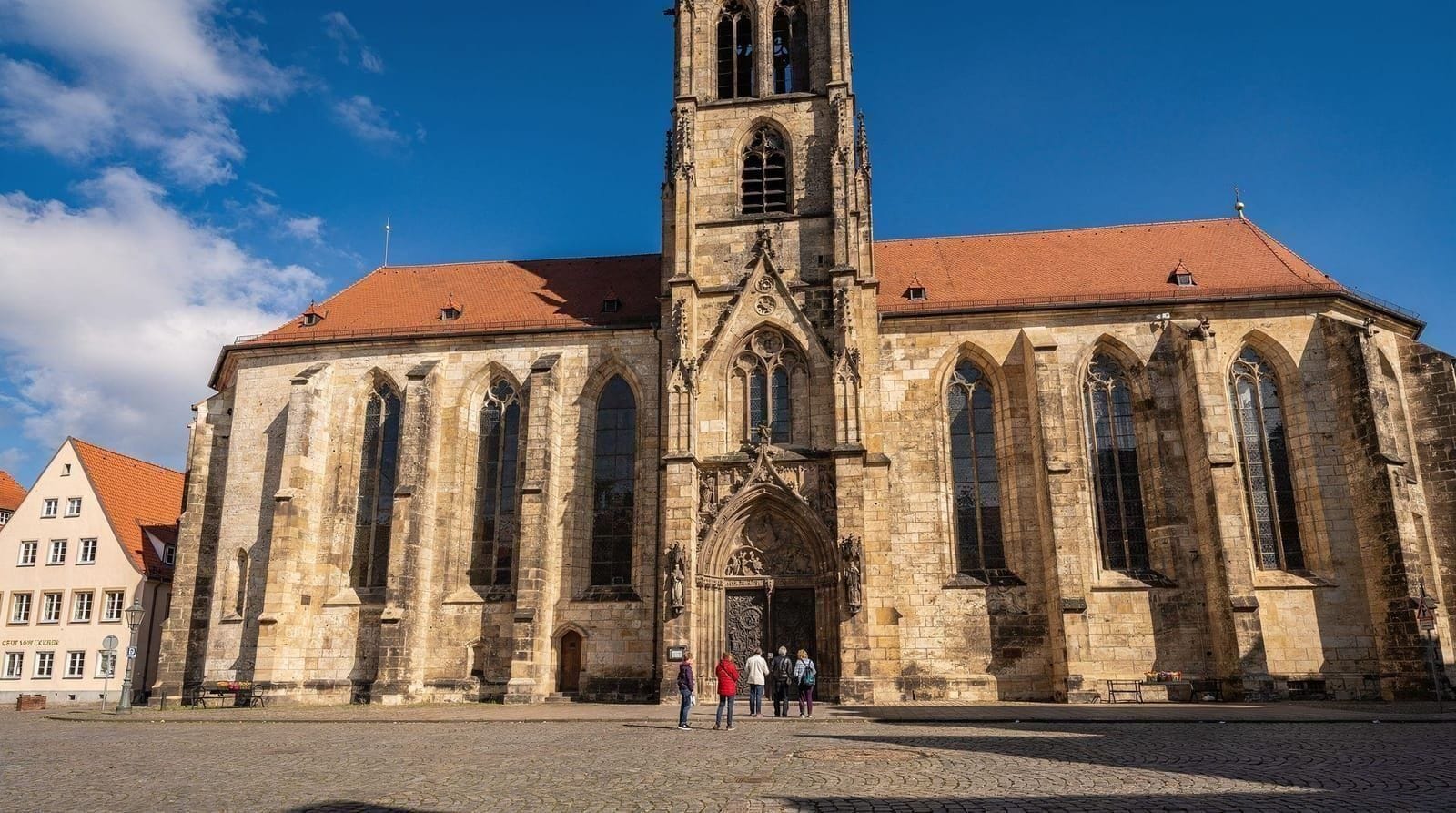
Berlin to Magdeburg day trip — trains, sights, and what to see in 2026
How do I get from Berlin to Magdeburg for a day trip?
Take an ICE or IC from Berlin Hauptbahnhof — journey time is around 1 hour 40 minutes. Regional RE trains also run the route in about 2 hours. Return tickets typically cost €25–35 unless you hold a Deutschlandticket, which covers the RE trains on this route.
Quick answer: ICE trains from Berlin Hauptbahnhof reach Magdeburg in around 1 hour 40 minutes; RE regional trains take about 2 hours and are covered by the Deutschlandticket. The Dom zu Magdeburg and the Hundertwasser Grüne Zitadelle are the main draws, both walkable from the station.
Magdeburg sits 130 km west of Berlin on the Elbe, and it remains largely unknown on the international tourist trail — which is precisely what makes it worth visiting. This is Saxony-Anhalt’s state capital, a city with a cathedral older than Cologne’s, a striking piece of late Hundertwasser architecture, and a 20th-century history of near-total destruction and reconstruction that gives it a completely different atmosphere from Potsdam or Dresden.
This guide covers train logistics, the main sights in detail, how to structure your day, and what Magdeburg honestly has to offer.
| Where | Magdeburg, Saxony-Anhalt, 130km west of Berlin |
| Getting there | ICE/IC around 1h40, or RE (Deutschlandticket) around 2h |
| Cost | Return train around €25–35; cathedral free; Zitadelle tour around €8–12 |
| Time needed | Full day, comfortable with the itinerary below |
| Best for | Medieval history and unusual architecture without the crowds |
Getting from Berlin to Magdeburg by train
There are two train types on this route, and they have meaningfully different implications depending on your ticket situation.
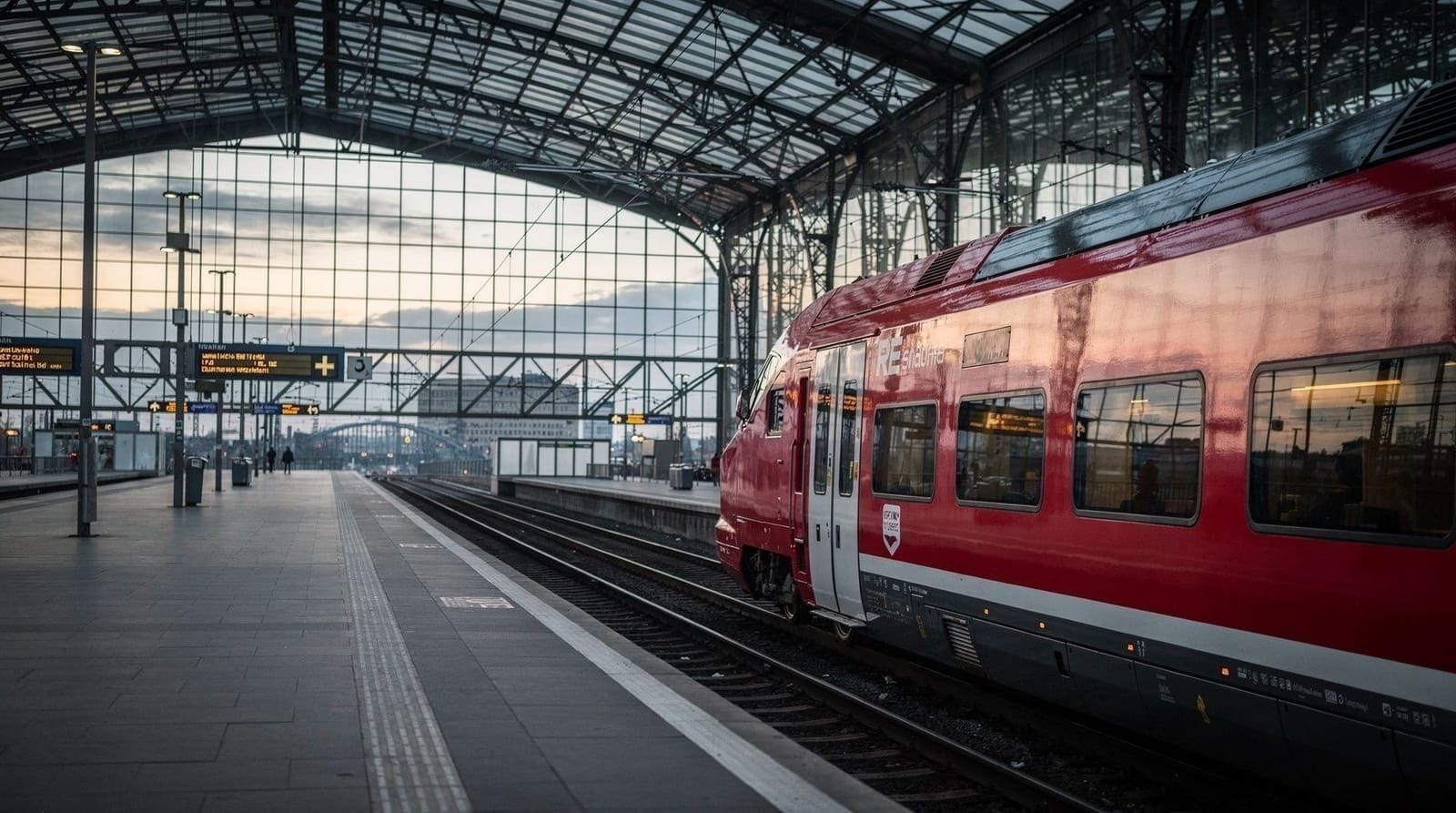
ICE/IC long-distance trains depart Berlin Hauptbahnhof roughly every 60 minutes and reach Magdeburg Hauptbahnhof in approximately 1 hour 40 minutes. Some services stop at Berlin Spandau before leaving the city. These trains require a standard rail ticket — either booked in advance through DB (Deutsche Bahn) or purchased at a ticket machine. Booked in advance, return tickets often come in at €25–35; same-day walk-up fares can be €50–70 or more. ICE trains are not covered by the Deutschlandticket.
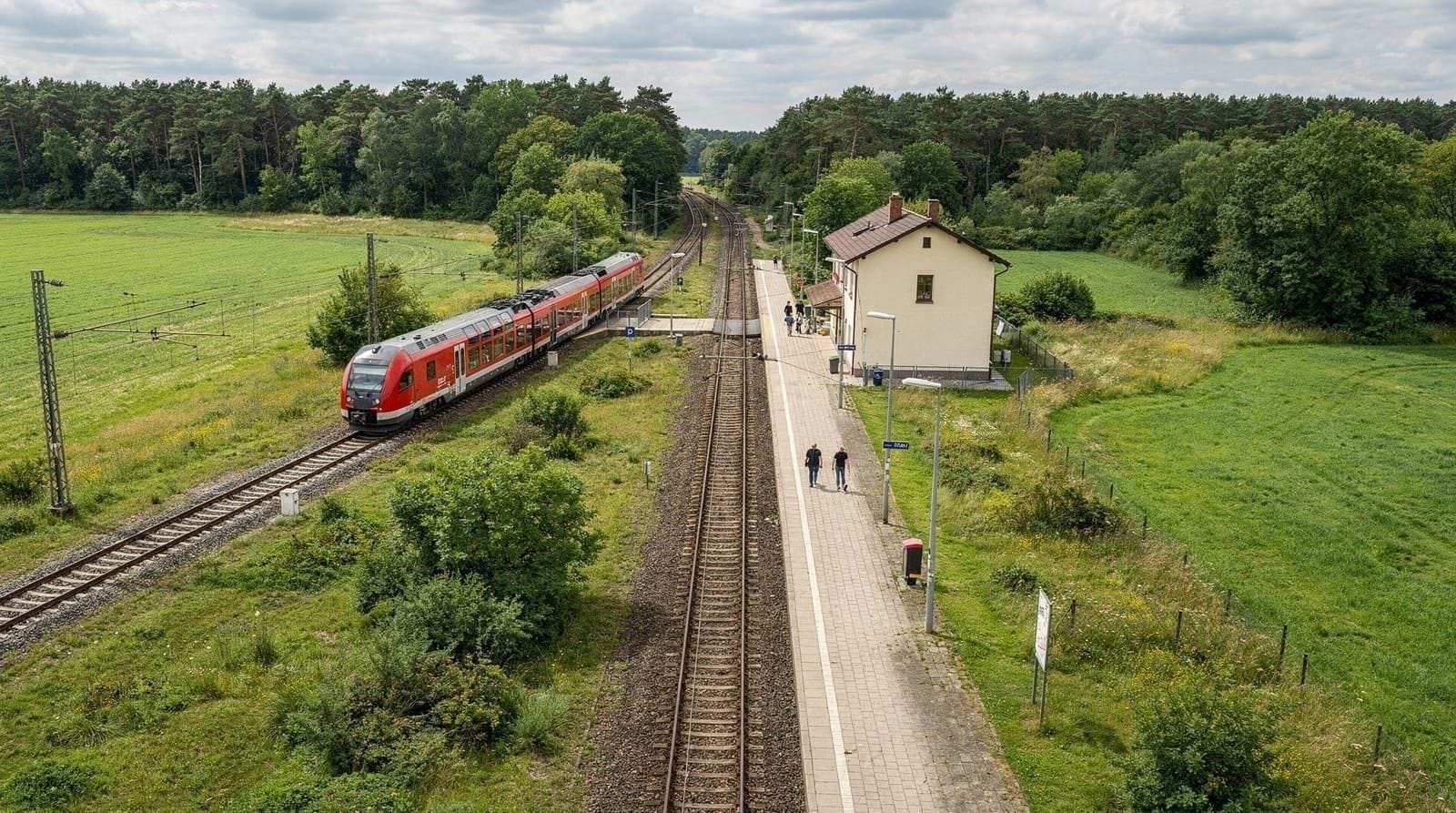
Regional express (RE) trains take around 2 hours and run the route with stops at intermediate stations. These are fully covered by the Deutschlandticket (the national monthly flat-rate travel pass). If you hold a Deutschlandticket, this is obviously the correct option — the journey costs you nothing additional. RE trains run less frequently than ICE services; check the timetable on bahn.de or the DB Navigator app before you go.
Practical departure points in Berlin: Most long-distance services depart from Berlin Hauptbahnhof (central station). Some also stop at Berlin Spandau. The RE regional trains also call at Spandau, which is useful if you’re staying in west Berlin or Charlottenburg.
Arrival in Magdeburg: All trains terminate at Magdeburg Hauptbahnhof, which is a standard modern station with lockers, a DB Reisezentrum ticket office, and a few cafes. The Dom and city centre are about 15 minutes on foot eastward along Bahnhofstrasse, or a short tram ride.
Getting around once there: Magdeburg’s centre is compact enough to cover entirely on foot — the Dom, Grüne Zitadelle, and Alter Markt are all within a 20-minute walking radius of each other. The MVB tram network covers the wider city if you want to reach Elbauenpark or areas further from the centre, with single tickets around €2.60. Most day-trip visitors won’t need the tram at all.
Dom zu Magdeburg — Germany’s oldest Gothic cathedral
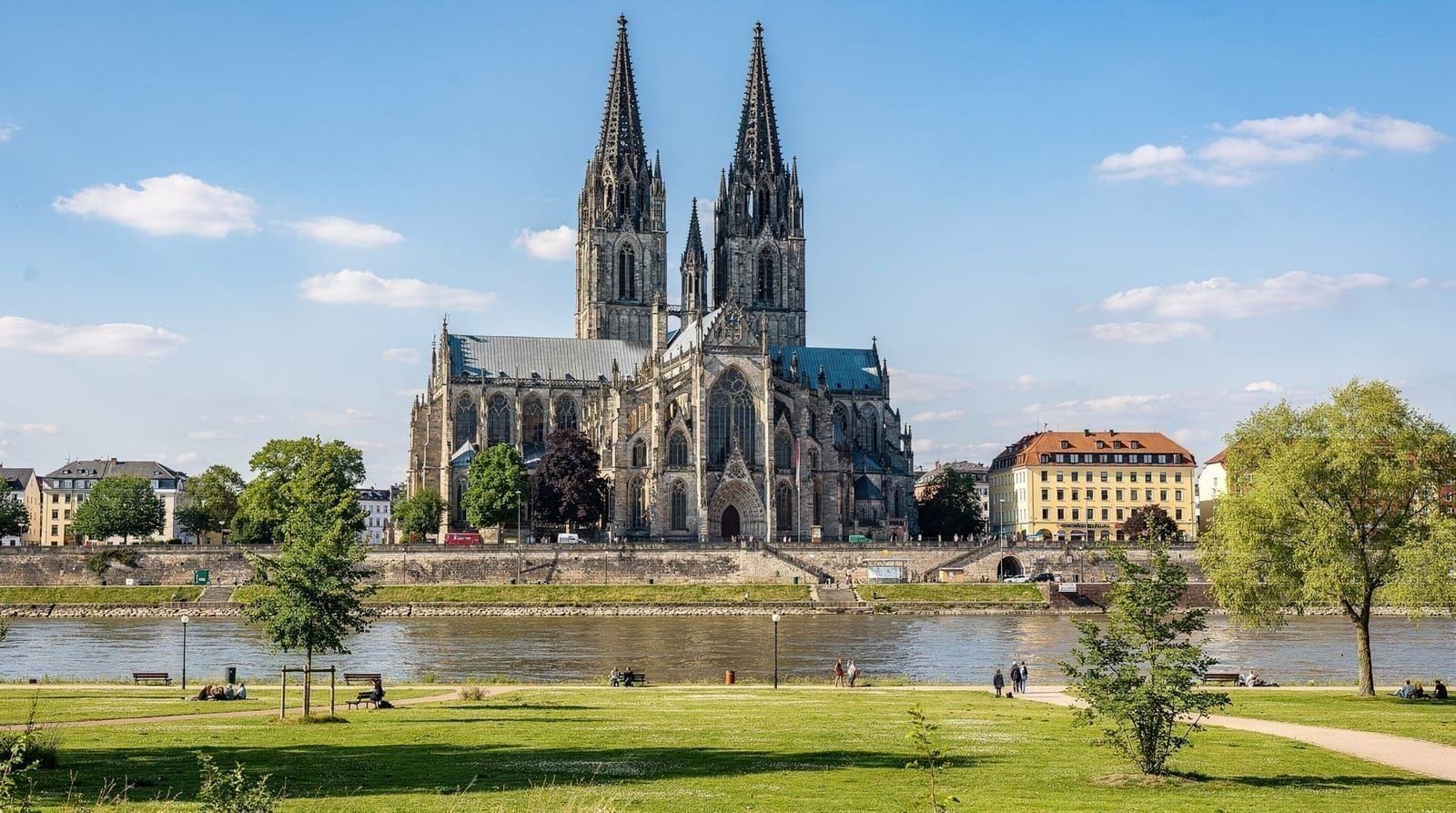
The Cathedral of Saints Catherine and Maurice (Dom zu Magdeburg) is the city’s defining monument and the genuine reason to make the journey from Berlin. Construction began in 1209 on the site of an earlier Ottonian church that burned down, making this the first Gothic cathedral built on German soil — predating Cologne, Strasbourg, and most of the Gothic edifices tourists elsewhere in Germany visit.
What makes it significant: The cathedral contains the tomb of Emperor Otto I (912–973), the first Holy Roman Emperor, which sits in the choir directly in front of the high altar. Otto made Magdeburg his capital city and invested enormously in it — a fact that gives the Dom a specific historical weight beyond its architectural interest. The tomb is a relatively plain medieval sarcophagus, but the scholarly and political history behind it is substantial.
What to see inside:
- The nave, which is unusually light for a Gothic cathedral of this age, thanks to high clerestory windows
- The “Magdeburg Rider” sculpture (Magdeburger Reiter) — not the original (which is in the Cultural History Museum), but the space in which it stood
- Several medieval funerary monuments, including fragments of the Ottonian predecessors
- Memorial plaques and chapels added across multiple centuries up to the 20th
Practical details: Entry to the cathedral itself is free. Opening hours: Monday to Saturday 10:00–18:00, Sunday 11:30–18:00 (check for service times which close the nave to tourists). The tower is climbable for a fee of around €3–5 and gives views over the Elbe and the city — worth doing if the sky is clear.
The cathedral sits directly beside the Elbe river, and the riverside promenade (Elbauenpark side or the old town bank) gives the best external views, particularly in the late afternoon when light hits the western facade.
Grüne Zitadelle — Hundertwasser’s final building
The Grüne Zitadelle (Green Citadel) on Breiter Weg is one of the most distinctive buildings in eastern Germany. Designed by Friedensreich Hundertwasser and completed in 2005 (five years after his death, following plans he had approved), it is a pink-and-ochre residential complex with irregular windows, grass and tree-planted rooftops, ceramic tile mosaics, and deliberately uneven floors — Hundertwasser’s term was “uneven floor as a symphony for the feet.”
The building is not a museum; it contains apartments, a small hotel, shops, a cinema, and a café. What draws visitors is the aesthetic confrontation it presents — a genuinely alien building in a Central European city centre that was otherwise rebuilt in functional East German style after the 1945 bombing.
Guided tours: Informative 45-minute interior tours run daily at set times (usually 11:00, 13:00, 15:00 — confirm at the building’s reception or on the official website). Cost is approximately €8–12 per person. The tour takes you through common areas and up to the rooftop garden. You cannot access private apartments. Tours are offered in German and sometimes in English; check beforehand if you need English commentary.
Without a tour: The courtyard and ground-floor commercial areas are freely accessible. The external facades on Breiter Weg are fully visible from the street — you do not need a tour ticket to photograph the building.
Hundertwasser context: If you’ve visited the Hundertwasserhaus in Vienna or the Hundertwasser-Schule in Wittenberg, the Grüne Zitadelle occupies the same aesthetic universe but at larger residential scale. It was his last major commission.
Otto von Guericke monument and the Alter Markt
A short walk south of the Grüne Zitadelle brings you to the Alter Markt, Magdeburg’s historic market square. This is where the Ottoman Magdeburg was centred before the city was sacked and burned in 1631 during the Thirty Years’ War (one of the most catastrophic massacres of the conflict), and before Allied bombing on 16 January 1945 destroyed what remained of the historic core.
Otto von Guericke monument: In the square stands a monument to Otto von Guericke (1602–1686), Magdeburg’s mayor and one of the most significant experimental physicists of the 17th century. He invented the vacuum pump and used it in 1654 to perform the famous Magdeburg hemispheres experiment — demonstrating atmospheric pressure by showing that teams of horses could not pull apart two copper hemispheres from which air had been pumped out. The monument depicts him in his civic and scientific roles.
The square itself: The Alter Markt was substantially rebuilt after 1945 and lacks the baroque cohesion of Dresden’s or Leipzig’s historic cores. But it has an honest post-war German character — functionalist reconstruction with some older surviving fragments and the cathedral visible to the east. The Rathaus (city hall) and the Magdeburger Dom’s spires anchor the view.
Magdeburg Cultural History Museum: About 600m from the Alter Markt, the Kulturhistorisches Museum contains the original Magdeburg Rider (the famous 13th-century equestrian statue, one of the oldest such sculptures north of the Alps) and substantial collections on the city’s medieval and Ottonian history. Worth an hour if you have interest in the period. Entry around €5.
How to structure your day in Magdeburg
A practical one-day itinerary arriving on the 9am ICE from Berlin Hauptbahnhof:
Arriving ~10:40am — 15 minute walk to city centre or short tram ride.
11:00am–12:30pm — Dom zu Magdeburg. Allow 60–90 minutes inside, plus the tower climb if the sky cooperates. The morning light on the eastern apse is particularly good.
12:30–1:30pm — Lunch near Alter Markt. Café options on Breiter Weg include standard German lunch menus (Mittagstisch). The area around Hasselbachplatz (20 minutes south of the Dom on foot) has more independent restaurants and a livelier atmosphere.
1:30–2:00pm — Walk to Alter Markt, Otto monument, and the surrounding rebuilt historic district. Fifteen minutes is enough to take in the square.
2:00–3:30pm — Grüne Zitadelle guided tour (book the 13:00 slot if you want to visit before lunch, or the 15:00 slot if you want a later lunch). The courtyard and external facades can be seen in 20 minutes without a tour.
3:30–4:30pm — Elbe riverside promenade. Walk south from the Dom along the river bank for the best views of the cathedral from across or along the Elbe. This stretch is also where locals run, cycle, and sit in warmer months.
5:00pm–onward — Return to station. ICE departures to Berlin approximately every 60 minutes, returning you to Hauptbahnhof by 6:40–7:30pm depending on train chosen.
What Magdeburg is not
Being honest about the nature of the destination is worth doing before you plan a trip.
Magdeburg is not a pretty city. Unlike Potsdam, Dresden, or Leipzig’s Innenstadt, the historic core was so thoroughly destroyed in 1945 that what you see is primarily post-war East German construction — functional apartment blocks, wide streets, and modern commercial architecture interspersed with a few medieval survivors. This is historically honest and interesting in its own right, but do not arrive expecting a baroque or medieval streetscape.
The city centre can feel quiet during the week. Magdeburg has a population of around 240,000 but does not have the density of street life of Berlin or Leipzig. Weekday mornings outside the market area can feel subdued. This is its character, not a failure.
The Dom alone is worth the journey. Even if you spent three hours in the cathedral and took the next train back, the trip would be worthwhile. The building is genuinely significant in European architectural history and receives a fraction of the visitors of comparable cathedrals in western Germany.
Weather matters more here than in a museum-heavy city. A large part of the day — the Alter Markt, the Zitadelle’s exterior, the Elbe promenade — is outdoor walking. A wet, grey day still works for the cathedral and the guided Zitadelle tour, but strip out the riverside walk and the day gets noticeably thinner. If the forecast is poor, shift the itinerary to spend longer inside the Dom and the Kulturhistorisches Museum instead.
Comparing Magdeburg with other Berlin day trip destinations
Against Wittenberg (1 hour 20 minutes by train), Magdeburg is larger, the Dom is more impressive architecturally, and the Grüne Zitadelle adds a contemporary contrast. Wittenberg has a more coherent historic streetscape and specific Luther-Reformation appeal.
Against Potsdam (30–45 minutes), Magdeburg involves a longer journey but avoids the crowds and the booking complexity of Sanssouci. If you want palaces, go to Potsdam; if you want a significant medieval cathedral without queues, Magdeburg is the better choice.
Against Dresden (2 hours by ICE), Magdeburg is less scenic and has less of a gallery or palace culture. Dresden is the stronger arts destination; Magdeburg is more appropriate for those interested in Ottonian history, the 30 Years War, or unusual contemporary architecture.
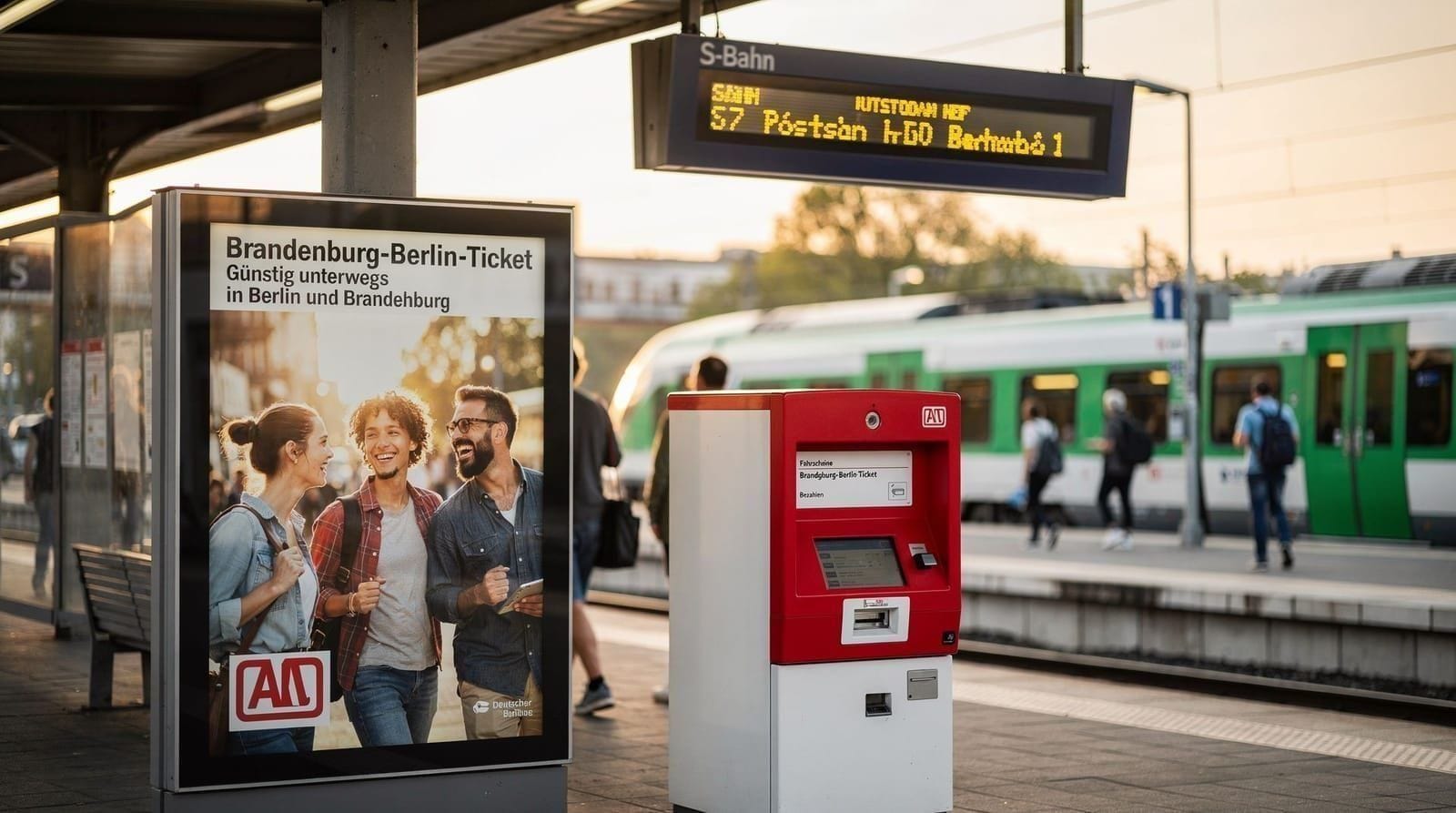
For a full comparison of day trip options from Berlin by train, see the day trips by train guide, or the ranked best day trips from Berlin if you’re still deciding between several options. If you’d rather not manage the Deutschlandticket-vs-ICE calculation yourself, the Brandenburg-Ticket guide explains the regional day-pass alternative — though note it does not extend as far as Magdeburg, since Saxony-Anhalt sits outside the Berlin-Brandenburg VBB zone, so a separate ticket is required either way.
Who should make the trip
Magdeburg suits travellers with a genuine interest in medieval and early-modern European history, or anyone who wants a striking piece of contemporary architecture without the crowds that follow Hundertwasser’s better-known Vienna building. It’s a poor fit for a first, single day trip from Berlin if photogenic streetscapes are the priority — for that, Potsdam or Wittenberg deliver more immediately. Combine it with a Dom-focused morning and treat the Grüne Zitadelle as the contemporary counterpoint, and the day earns its travel time.
Frequently asked questions about Berlin to Magdeburg day trip
How long is the train from Berlin to Magdeburg?
ICE and IC trains from Berlin Hauptbahnhof take approximately 1 hour 40 minutes to Magdeburg Hauptbahnhof. Regional express RE trains (covered by the Deutschlandticket) take around 2 hours. Trains depart roughly every 30–60 minutes throughout the day.Is the Deutschlandticket valid on the Berlin to Magdeburg train?
Yes, but only on regional trains (RE). The Deutschlandticket does not cover ICE or IC long-distance trains. The relevant RE route is the RE1 or similar regional service. Journey time is slightly longer than the ICE — around 2 hours — but the Deutschlandticket at €58/month (2026 price) easily makes the trip free once you hold one.What is the main attraction in Magdeburg?
The Dom zu Magdeburg (Cathedral of Saints Catherine and Maurice) is Magdeburg's central landmark — the oldest Gothic cathedral on German soil, begun in 1209. It contains the tomb of Emperor Otto I, founder of the medieval German empire. Entry to the cathedral is free; the cathedral tower climb costs a small fee.What is the Grüne Zitadelle in Magdeburg?
The Grüne Zitadelle (Green Citadel) is a striking pink residential and commercial building designed by Austrian artist Friedensreich Hundertwasser, completed in 2005 — his final major work before his death in 2000. Guided tours of the interior run regularly. The irregular windows, grass rooftops, and uneven floors are deliberate anti-uniformity statements.How much does it cost to visit Magdeburg for a day?
Train return ticket costs €25–35 without a Deutschlandticket (or free with one, RE only). Cathedral entry is free. Grüne Zitadelle guided tour costs around €8–12. Lunch at a local restaurant in the city centre is €12–18 per person. Allow €50–70 total per person for a comfortable day out.What else is there to see in Magdeburg besides the cathedral?
The Otto von Guericke monument near the Alter Markt commemorates the 17th-century physicist and mayor who invented the Magdeburg hemispheres (demonstrating atmospheric pressure). The Alter Markt square itself was largely rebuilt after Allied bombing in 1945 destroyed over 90% of the city. The Elbe riverside promenade offers views of the cathedral from below.Is Magdeburg worth a day trip from Berlin?
Yes — particularly for visitors interested in medieval history, unusual modern architecture, and seeing a major German city that is not on the typical tourist circuit. The Dom is genuinely one of Germany's most significant medieval buildings. Magdeburg has fewer crowds than Potsdam or Wittenberg and a more authentic city feel.Are there food options in Magdeburg city centre?
Yes. The Breiter Weg and streets around Alter Markt have cafes, bakeries, and restaurants. Local specialities include Magdeburger Börde produce (asparagus in spring, sugar beet region). The covered Stadtfeld market in the old town has good lunch options on weekday mornings.