Best things to do in the Spreewald
From Berlin: Spreewald Canoe or Kayak Tour with Guide
The Spreewald: Berlin’s wild backyard
An hour south of Berlin, the Spree river fans out into over 300 channels, creating a UNESCO Biosphere Reserve of ancient forest and wetland. The Sorbian minority (the indigenous Slavic people of the region) have maintained their distinct culture, language, and food traditions here for over a thousand years. It’s one of those places that feels completely disconnected from the capital, yet requires almost no travel time.
The Spreewald is primarily a nature destination. Its pleasures are unhurried: paddling narrow green channels under overhanging oaks, stopping at a traditional pub for gherkins and sour cream, spotting herons, and — if you’re lucky — a punting postman still delivering mail by boat in the deeper villages.
| Where | Spreewald, around 100km / 70–90 min south of Berlin |
| Cost | Around €10–20 self-guided, €35–55 for a guided tour with transport |
| Time needed | Full day recommended |
| Getting there | Regional train to Lübbenau, or A13 by car |
| Best time | April–May or September–October, weekday mornings in summer |
The main activity: canoe and kayak tours
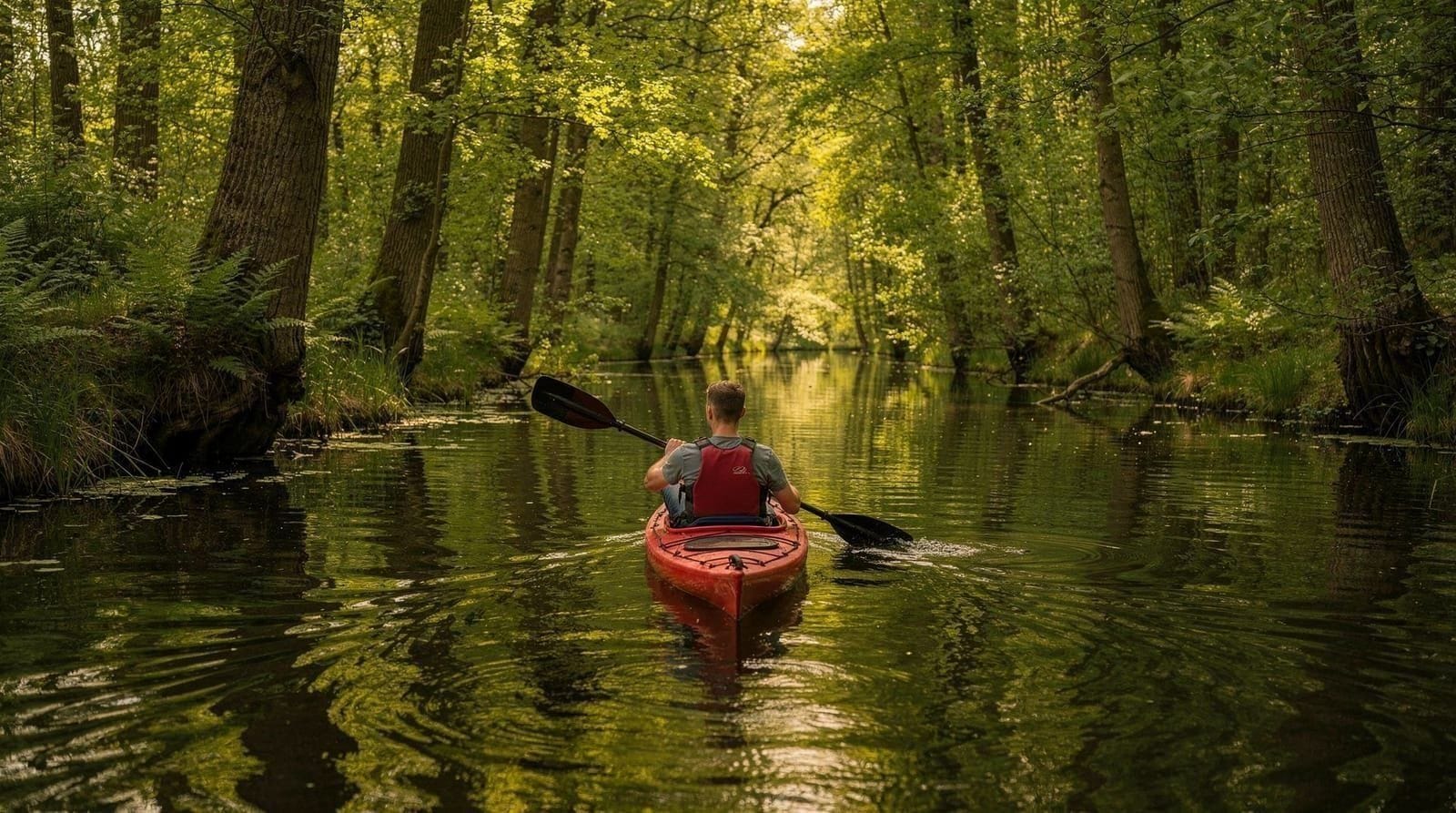
The signature experience is paddling the Spreewald channels. You can rent a kayak or canoe independently (€15–20 per person for a half-day), but for first-timers, a guided tour provides route orientation and cultural context that makes the difference between a pleasant paddle and an extraordinary one.
The Spreewald Canoe or Kayak Tour with Guide (€45–55 per person from Berlin, transport included) departs Lübben or Lübbenau and covers 12–18km of canals with a guide explaining the ecosystem, Sorbian traditions, and navigating the maze of waterways that would be easy to get lost in alone.

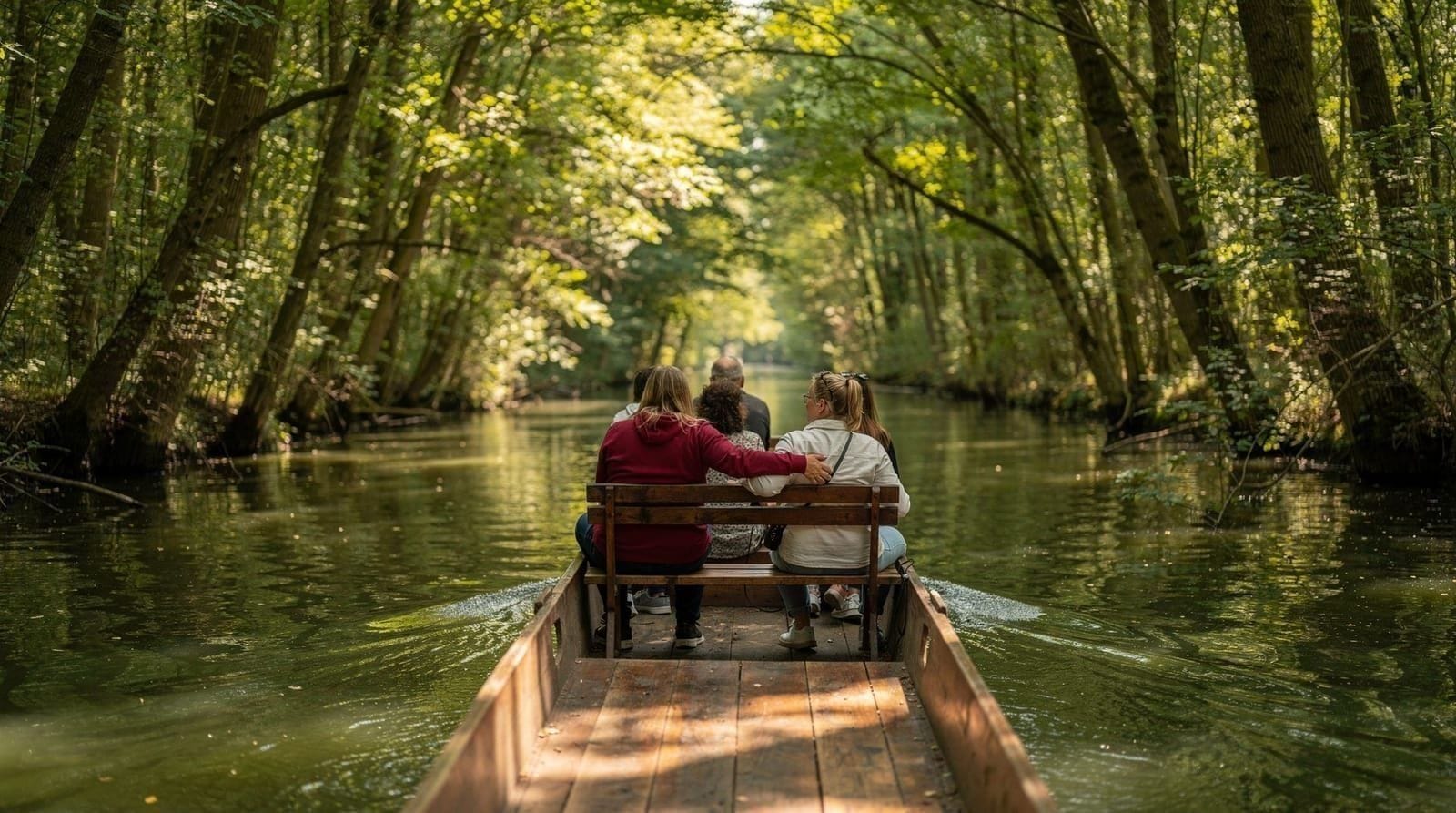
For those who prefer not to paddle, traditional flat-bottomed punt boats (Kahnfahrten) with local guides are available from the main jetties in Lübbenau. A 2-hour punt tour costs €10–15 per person and is ideal for families with young children or anyone who wants the scenery without the exercise.
The Fairy-Tale Forests day trip
The Fairy-Tale Forests of the Spreewald tour (€35–45, transport from Berlin) takes a more exploratory approach — walking through the forest reserve, crossing multiple water channels, and visiting traditional Sorbian villages where wooden architecture and painted Easter eggs (the region is famous for them) are still part of daily life.

This tour suits walkers more than paddlers and gives more time in the villages and forest rather than on the water. A good alternative if you’ve already done a canoe trip or have mobility considerations.
Canoe tour vs Fairy-Tale Forests: which to book
| Option | Approx. price | Activity | Best for |
|---|---|---|---|
| Canoe/kayak with guide | around €45–55 | Paddling, 12–18km | Active travellers, first-time visitors |
| Punt boat (Kahnfahrt) | around €10–15 | Sitting, guided | Families, non-swimmers, relaxed pace |
| Fairy-Tale Forests tour | around €35–45 | Walking | Repeat visitors, mobility considerations |
For the full logistics of getting from Berlin — train timetables, savings tickets, and where to park if driving — see the dedicated Spreewald day trip guide. If you want to go deeper on canoe routes and rental options beyond the guided tour, the Spreewald canoe and kayak guide covers independent paddling in more detail.
Getting there independently
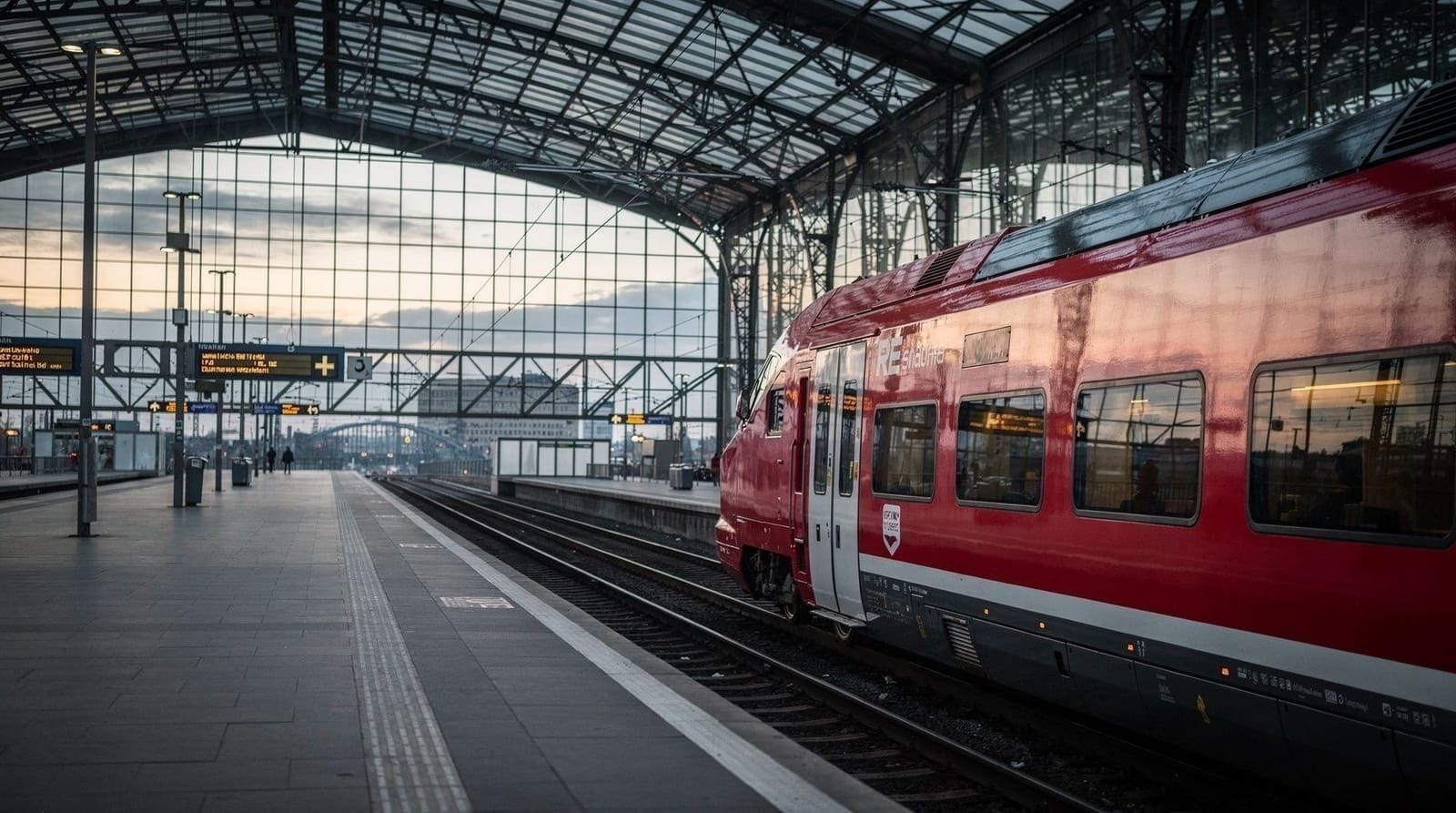
By train: Regional trains from Berlin Ostbahnhof to Lübbenau/Spreewald take approximately 1 hour 10 minutes (€15–20 each way without a savings ticket). Lübbenau is the main tourist hub — the Kahnfahrten jetty is a 5-minute walk from the station.
Lübben is smaller and slightly less commercialised. Both are valid starting points.
By car: 90 minutes via A13 Autobahn south from Berlin. Having a car opens up the more remote village circuits and allows you to explore Burg (the largest Spreewald village) and the Spreewaldgarten areas.
What else to do in the Spreewald
Gherkin heritage: The Spreewald is Germany’s most famous gherkin-producing region. The mineral-rich soil produces cucumbers (Spreewälder Gurken) with a distinct flavour — pickled versions are sold at every roadside stall. Try them at a traditional Gaststätte with beer.
Lübbenau castle park: The Baroque palace grounds offer a pleasant walk. The Freilandmuseum Lehde (open-air village museum) 2km from Lübbenau shows traditional Sorbian architecture and lifestyle — open April to October, €7 entry.
Cycling: The Spreewald is extremely cycle-friendly. The main cycling route (Spreeradweg) runs 220km but the day circuits around Lübbenau are manageable in 3–4 hours. Bike rentals are available from the station area (€12–16 per day).
Best time to visit
Spring (April–May) and autumn (September–October) are ideal — the light through the forest canopy is extraordinary, crowds are manageable, and gnat populations (a real issue in high summer) are lower.
Summer (June–August) is the busiest period — popular with German families on weekend breaks, and the punt boats queue can be long by midday. Arrive by 9am or come on a weekday.
Winter is not recommended for water activities, but the forest snow scenes are beautiful if you’re in the area.
Spreewald seasons at a glance
| Season | Conditions | Verdict |
|---|---|---|
| Spring (Apr–May) | Fresh canopy, manageable crowds, low gnats | Best overall |
| Summer (Jun–Aug) | Busy, queues by midday, gnats present | Arrive early or come on a weekday |
| Autumn (Sep–Oct) | Golden light, quieter, mild temperatures | Excellent, slightly cooler water |
| Winter (Nov–Mar) | No paddling, snowy forest walks only | Skip for canoeing, fine for a walk |
Combining the Spreewald with other day trips
The Spreewald pairs well with a longer Berlin stay rather than being rushed into a single overloaded itinerary. If you’re planning several excursions, the best day trips from Berlin overview and the ranked day trips guide both help weigh the Spreewald against alternatives like Potsdam or Sachsenhausen. For longer stays, a 5-day Berlin itinerary has enough room to dedicate a full day to the Spreewald without cutting other plans short.
Frequently asked questions about things to do in Spreewald
How far is the Spreewald from Berlin?
Approximately 100km south of central Berlin. By regional train from Berlin Ostbahnhof to Lübbenau, the journey takes about 70 minutes. By car via A13, expect 90 minutes depending on traffic. Many organised day trips include transport in the price.
Is the Spreewald suitable for children?
Very much so. The punt boat tours (guided, no paddling required) are popular with families with young children. The forest paths are flat and manageable for small walkers. The Freilandmuseum in Lehde engages children with hands-on village life displays. Canoe tours are generally suitable for children aged 8 and over.
Do you need to book canoe tours in advance?
Yes, especially on summer weekends — the best guided tours sell out. Book at least a week ahead June through August. For independent kayak rental, arriving by 9am at the Lübbenau jetty usually means you can get a boat without booking.
What is the Spreewald famous for?
Three things: the intricate canal network (created over millennia by the Spree river distributing through flat land), the Sorbian cultural heritage (Germany’s smallest recognized indigenous people), and Spreewälder Gurken — the distinctive pickled gherkins produced from the mineral-rich local soil, protected by EU geographical designation.
Can you visit the Spreewald in winter?
The forest is beautiful in snow and well worth visiting for walking. Water activities are closed or extremely limited (some punt boats operate on milder winter days). Most tourist facilities in Lübbenau operate year-round; Lübben is quieter.
Should I book a guided canoe tour or rent independently?
For a first visit, book a guided tour — the channel network genuinely is easy to get lost in, and the guide adds ecological and Sorbian cultural context you’d otherwise miss entirely. Independent rental works well for a repeat visit once you already know a route, or if you’re confident navigating with a map and don’t mind occasionally backtracking.